Sustainability
Driving Measurable Impact Through Circular Innovation
At Grub Bio, sustainability is embedded in every stage of our operations. Our technology enabled, bio-manufacturing solution transforms organic waste into valuable resources while generating measurable environmental, social, and economic benefits. By combining biotechnology, circular production systems, and digital sustainability intelligence, we help build more resilient food systems and a more sustainable future for Africa.
ESG Leadership & Strategy
Sustainability
Backed by Data
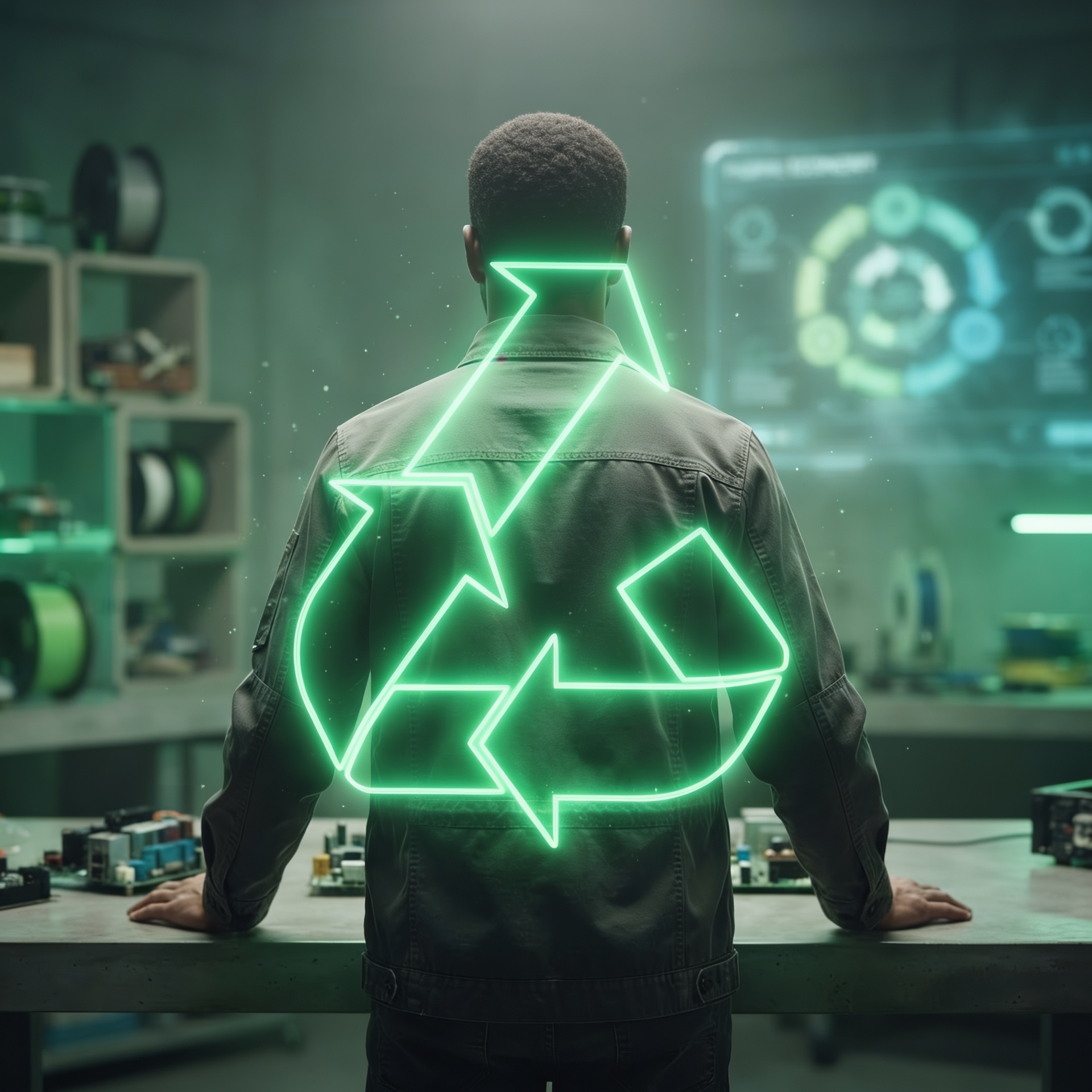
We believe that sustainability should be measurable, transparent, and actionable. Our technology-enabled approach combines circular bio-manufacturing with real-time sustainability monitoring, allowing us to quantify sustainability outcomes across our operations and partnerships.
Through our Digital Sustainability Platform, we provide transparent insights into waste diversion, resource recovery, carbon-emission avoidance, SDGs and other key ESG indicators. This enables partners to strengthen sustainability reporting, support compliance requirements, and demonstrate measurable impact.
Transforming Waste
into Opportunity
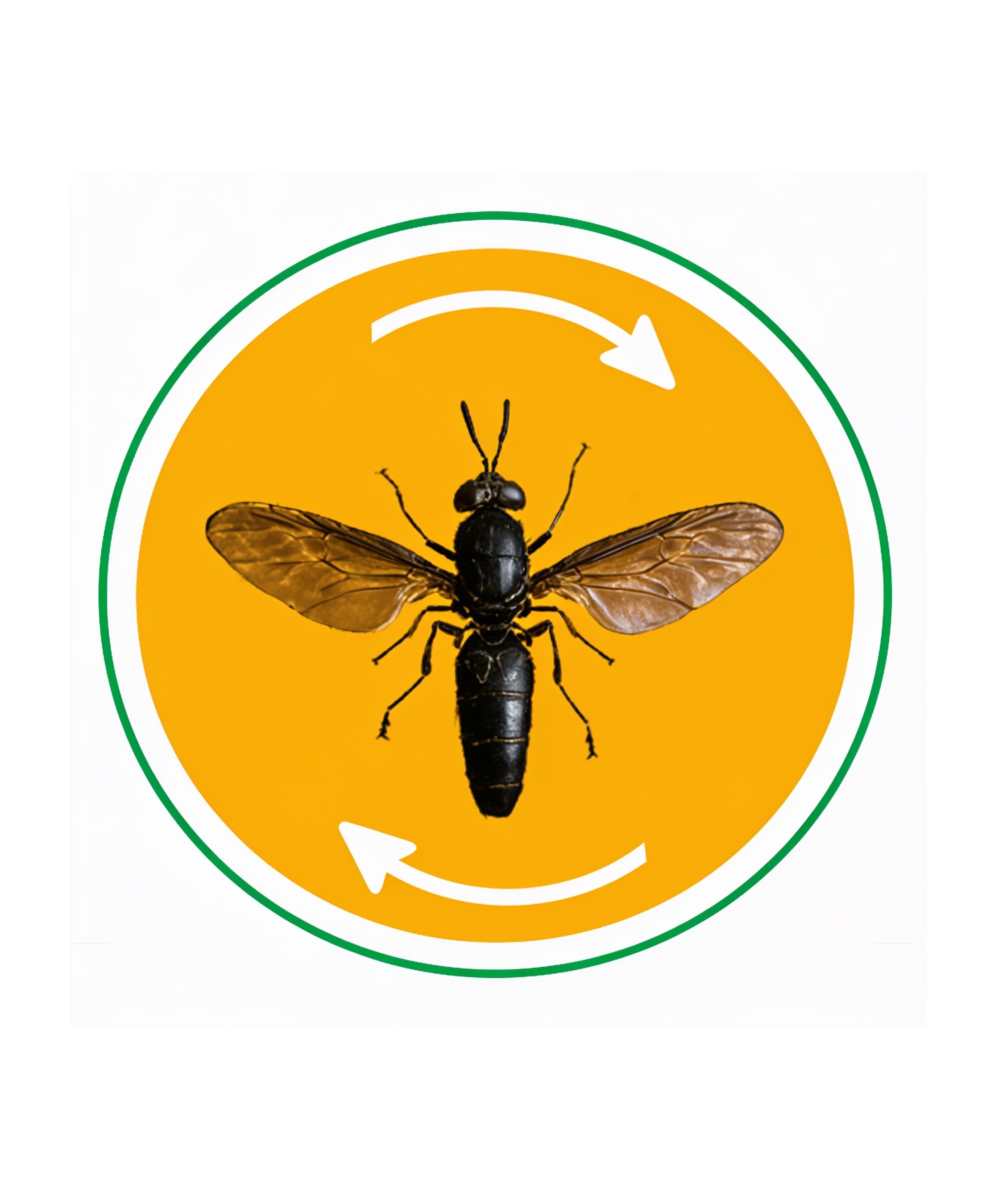
Organic waste is one of Africa's most underutilised resources. Instead of allowing valuable nutrients to end up in landfills, we divert and upcycle organic waste into sustainable protein ingredients, functional oils, and organic fertilisers.
Our technology enabled, bioconversion model helps businesses and communities reduce waste, improve resource efficiency, and accelerate the transition to a bio-circular economy.
Our Circular Approach
- Recover organic waste from agricultural, industrial, and municipal sources
- Upcycle waste into valuable agricultural and industrial inputs
- Return nutrients back into productive use
- Reduce landfill dependency and environmental impact
Supporting Climate
Action Through Bio-
Manufacturing
Our solutions contribute to climate resilience by reducing emissions associated with organic waste decomposition and by providing sustainable alternatives to resource-intensive agricultural inputs.
Through waste diversion and nutrient recovery, we help avoid methane emissions that would otherwise occur when organic waste is disposed of in landfills or unmanaged environments. Our products also support regenerative agricultural practices that improve soil health and reduce dependence on carbon-intensive inputs.
Climate Benefits
- Methane-emission avoidance through organic waste recovery
- Reduced reliance on imported protein ingredients
- Lower environmental footprint compared to conventional feed sources
- Improved soil health and regenerative agriculture outcomes
- Support for carbon-emission avoidance and resource efficiency
Advancing Global Goals
Through Local Action
At Grub Bio, sustainability is not an add-on—it's embedded within our business model. By transforming organic waste into valuable agricultural and industrial resources, we address some of the world's most pressing challenges, including food security, waste management, climate change, resource efficiency, and ecosystem preservation.
Our bio-circular economy approach aligns with several United Nations Sustainable Development Goals (SDGs), creating measurable environmental, social, and economic impact across the communities and industries we serve.
SDG 2 – Zero Hunger
We support food security by producing sustainable, locally sourced protein ingredients for animal feed and organic fertilisers that improve agricultural productivity. By strengthening local food production systems and reducing dependence on imported inputs, we contribute to more resilient and affordable food value chains.
SDG 6 – Clean Water and Sanitation
Improperly managed organic waste can contaminate natural water systems and surrounding ecosystems. Through responsible waste recovery and nutrient recycling, we help reduce environmental pollution while promoting more sustainable management of organic waste streams.
SDG 8 – Decent Work and Economic Growth
Our bio-manufacturing model creates new economic opportunities across waste recovery, agriculture, logistics, processing, and sustainability services. As we scale, we contribute to job creation, local enterprise development, and the growth of green industries within Africa's emerging bio-circular economy.
SDG 9 – Industry, Innovation and Infrastructure
Grub Bio is advancing industrial innovation through biotechnology, AI, automation, and digital sustainability systems. Our bio-refineries and technology-enabled production platforms help build resilient, resource-efficient infrastructure that supports sustainable industrial development.
SDG 11 – Sustainable Cities and Communities
We support municipalities and communities by diverting organic waste from landfills and unmanaged disposal pathways. This contributes to cleaner cities, improved waste management systems, and more sustainable urban environments.
SDG 12 – Responsible Consumption
Our business is founded on circular economy principles. By recovering nutrients from organic waste and converting them into valuable products, we extend resource lifecycles, reduce waste generation, and promote more responsible production and consumption patterns.
SDG 13 – Climate Action
Organic waste is a significant source of greenhouse gas emissions when left to decompose unmanaged. Through waste diversion, nutrient recovery, and sustainable bio-manufacturing, we help avoid methane emissions, reduce carbon intensity within agricultural supply chains, and support climate-resilient food production systems.
SDG 14 – Life Below Water
By providing sustainable alternatives to conventional fishmeal, Grub Bio helps reduce pressure on wild fish stocks and marine ecosystems. Our insect-based protein contributes to more sustainable aquaculture and animal feed systems, supporting the long-term health of aquatic biodiversity.
SDG 15 – Life on Land
Our organic fertilisers support soil regeneration, improve soil biodiversity, and reduce dependence on synthetic agricultural inputs. Through sustainable land-use practices and nutrient recycling, we contribute to healthier ecosystems and more resilient agricultural landscapes.
Building Impact
Beyond Products
Every tonne of organic waste recovered, every kilogram of sustainable protein produced, and every sustainability metric tracked contributes to a broader vision: building a resilient, low-carbon, and resource-efficient future for Africa through the principles of the bio-circular economy.